
Methadone
How methadone is prescribed
Methadone is not the only opioid substitute available. Which medication is right for you will depend on several different things.
Before you start any treatment, we’ll give you a full health and wellbeing assessment to make sure you get the right medication for you. We will explain why we have recommended your medication and answer any questions.
If you are pregnant, think you may be pregnant, are planning to have a baby, or are breastfeeding, ask your prescriber for advice before taking this medicine.
Taking methadone
Methadone usually comes as a liquid you take once a day. You should try and take it at the same time every day.
For the initial period of your treatment, you may need to take it at the pharmacy with a member of their team present. This is to make sure you’re taking the right dose for you.
You’ll start on a low dose of methadone and work your way up to your regular dose – this process is called titration. It can take up to several weeks to find a dose that prevents all withdrawal symptoms; this will vary for everyone.
Methadone starts to work in half an hour and reaches its peak effects two to four hours after you’ve taken it. It builds up in the body, so you’ll feel more of an effect from the same dose over several days.
A member of our team might ask you to occasionally take a drug test. This is to make sure you’re getting the safest and most effective treatment for you.

Coming off methadone
Once you’ve settled into your regular prescription, your recovery worker will talk to you about your treatment goals.
You may choose to stay on methadone long-term, although some people gradually reduce their dose and come off it. This is called a detox.
Your worker and prescriber will look at your dose from time to time to see if it needs to be changed.
Medication safety tips
Your medicine is for you. Never give it to other people even if their condition appears to be the same as yours. It may harm them.
Speak to your recovery worker or prescriber if you feel any side effects.
Drinking or using drugs on top of your medication can affect how it works, and may be dangerous.
Methadone can affect other medicines. Always tell your prescriber about any prescription or over-the-counter medicines, vitamins or minerals, herbal products, or other supplements you are taking.
There are laws for drug driving like there are for drink driving. If you are being prescribed buprenorphine, you must let the Driver and Vehicle Licensing Agency (DVLA) know.
Extra support and counselling from groups such as Narcotics Anonymous can be really helpful when you’re trying to stay off opioids like heroin. Support from family, friends and other people close to you can also make a big difference.
Keep your medication in a safe place away from children and animals. Ask your worker for a free lockable box to store your medication.
Always call 999 if you think a child has swallowed your medication.
Please give us at least four weeks’ notice if you’re travelling in the UK or abroad. We’ll work with you to make sure it’s medically safe for you to travel.
Methadone and pregnancy
Children of people who take methadone during pregnancy may have a higher chance of developing eye issues like squints or focusing problems. These issues are often treatable or may get better on their own over time.
There is also a chance that the baby could experience withdrawal symptoms after birth. They will be monitored and treated by health care staff if needed.
If you’d like to know more about any of these issues, please speak to your doctor.
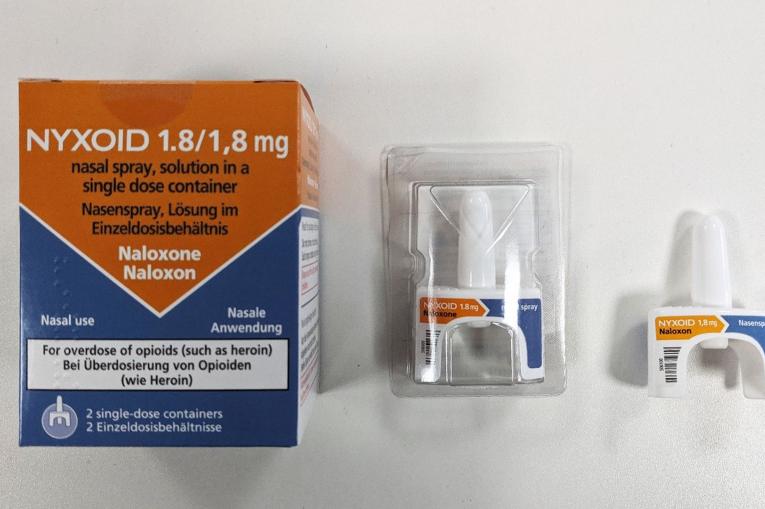
Naloxone saves lives
Naloxone is a drug that can temporarily reverse the effects of opioids like heroin and fentanyl. It also works on opioid substitute medications like buprenorphine and methadone.
If someone is having an overdose, naloxone could save their life. If you think someone is overdosing but don’t know what they’ve taken, naloxone could help them and won’t harm them.