
Published on 31st July 2026
Introduction from Matt
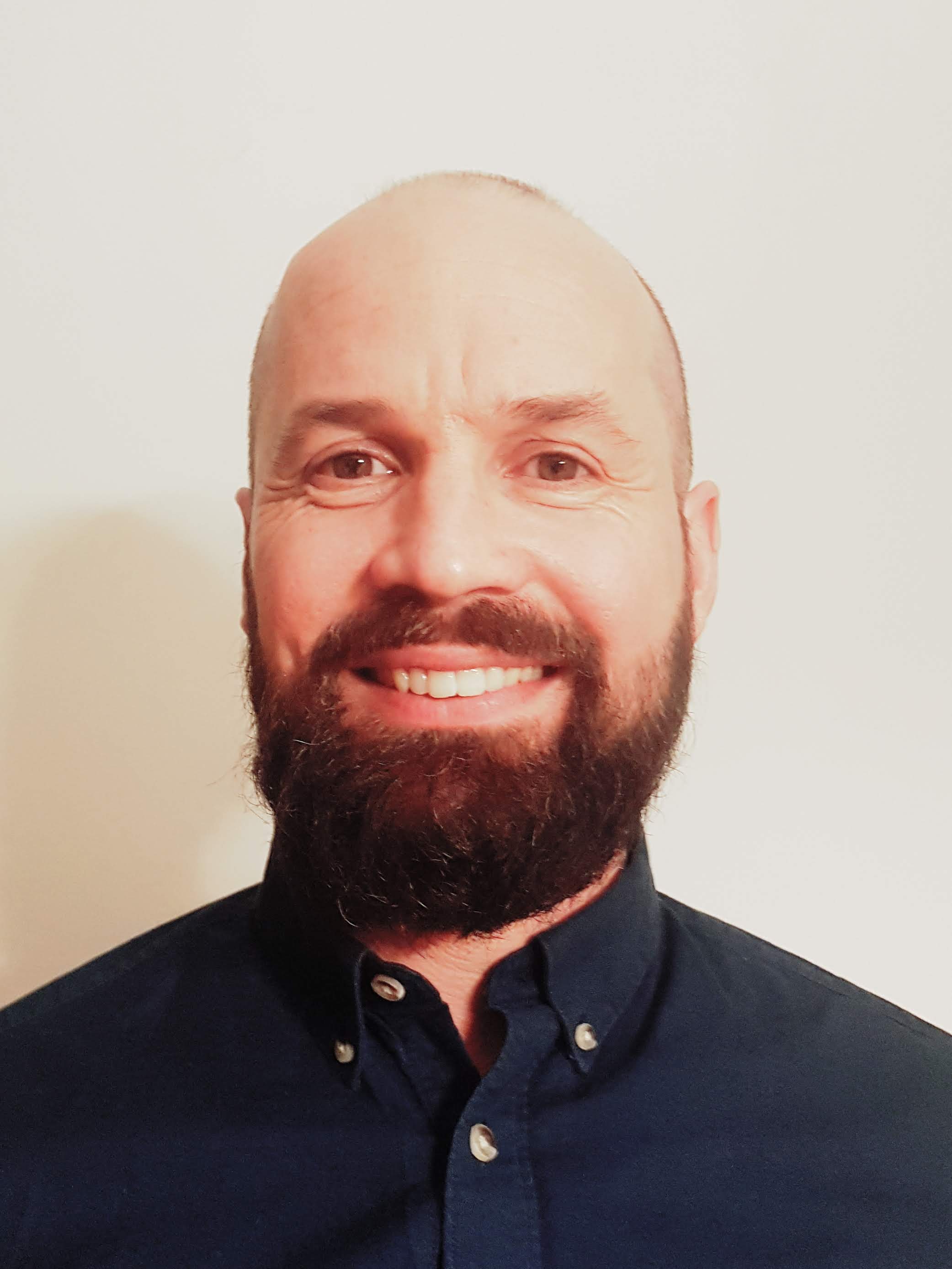 At Change Grow Live we know that we are stronger when we work together and we’d like to share some of our key developments and adapting to meet emerging needs.
Working closely with Oxleas, we have developed some new delivery models with additional staff joining our teams.
We are also looking to enhance our support as people move through the prison at all the key touch points from initial induction, all the way to release planning and continuity of care in the community.
With Volunteers’ Week in June, we have taken some time to acknowledge the huge positive impact of our Peer Mentors, our community volunteers, and our students. We are so grateful to them all.
Our student programme this year has been particularly successful, with 8 students spending an academic year in our services, learning a lot and bringing new creativity to complement our existing services. We look forward to welcoming a new intake of students this September.
We have also been delighted with the progress made with our Integrated Offender Management enhanced wellbeing programme operating at Guys Marsh, Portland, Channings Wood and Bristol. This has given us the opportunity to spend additional time with this cohort looking at developing social capital and gaining confidence in a range of activities including music production, art and yoga. This really helps us to reinforce a holistic approach to all things Recovery.
Thank you again for your ongoing support and involvement with our work. If there’s anything particular you’d like to find out more or discuss, please don’t hesitate to get in touch, please email [email protected]
Introducing Atlas: Our New Psychosocial Interventions Offer
We're pleased to introduce Atlas, our refreshed psychosocial interventions (PSI) framework, which will replace the Foundations of Rehabilitation (FoR) programme. Atlas brings together our interventions under a single, cohesive approach, supported by high-quality, evidence-based resources that will be introduced in phases throughout 2026.
Designed to be flexible and person-centred, Atlas can be delivered in group settings or one-to-one, either in person or remotely for our community teams. The framework supports individuals to build motivation, develop practical skills, and create sustainable plans for positive change.
A recovery story
Below, we hear from Ritchie who resides on Cambria Recovery Wing at HMP Guys Marsh. His words reflect the positive impact that recovery support can have in building hope, motivation and a vision for a different future.
“My mindset has truly changed. Instead of looking forward to that first drink, I'm looking forward to a clean and sober release. That’s a massive shift for me. I want to build a life that isn't controlled by addiction, and I'm starting to believe that it's possible.
This journey has been shaped by 30 years of incarceration and addiction, and it hasn't been easy to face that reality. But being here, engaging in the programme, and taking part in group sessions has helped me reflect on my past and take responsibility for it. I know there is still a long way to go, and I'm not under any illusions about the challenges ahead.
But for the first time in a long time, I feel hopeful.
I feel more positive, more open, and determined to stay clean and make better choices. I'm not just thinking about getting out anymore, I'm thinking about staying out and living a better life.
Thank you Cambria and the Change Grow Live staff. I'm looking forward to the future.”
Peer Mentors: Supporting Change from Within
The journey towards recovery from drug and alcohol use can be challenging. It often requires trust, understanding and a sense of connection - something that peer mentors are uniquely placed to provide.
These individuals with lived experience of substances can use their insight to support others. Having walked a similar path, they understand the realities, pressures and barriers that many people face. This shared experience helps break down stigma and creates a space where individuals feel heard, understood and not judged.
Getting To Know Our Peer Mentors
We’d like to highlight the contributions of two of our peer mentors at HMP Channings Wood. Liam primarily offers one-to-one support, while Michael focuses on group work and facilitates a mindfulness group with skills he learnt at HMP Exeter.
What led you to become a peer mentor?
L: I did the volunteer training with Change Grow Live and waited for a position to come up. I’ve been involved in recovery in the community and helping others. Volunteering is an opportunity to give something back.
How does your lived experience help you support others?
M: I am not proud of what I’ve done in the past, but I like to be able to give advice on how to improve and be a good role model for active users to look up to.
What does “making a difference” look like in this environment - what changes do you notice in people?
L: I notice that people engage more in the groups and in the gym. Volunteering helps me so much and gives me a sense of purpose. Once people are in groups and get talking, they know that they are in a safe space to open up.
What would you say to someone who believes people in prison can’t change?
M: This is stereotypical of stigma and anyone with an addiction. You have to take people at face value, not what is on their record.
Has being a peer mentor changed you, or the way you see yourself?
M: Yes - now I am abstinent I care a lot about the thoughts and feelings of others. I didn't when I was using. My family are proud of me. I'm proud of myself. I've accepted my flaws, and am moving on.
How do you look after your own wellbeing while supporting others?
M: I have a good support network. I talk to Liam and others about my family and the prison staff have been helpful. I'm happy to help people who need my support. I'll continue to do what I'm allowed to do when I'm out.
People often have strong stereotypes about those in prison, what do you think they get wrong?
L: They have a one-sided view. They just see the crime and not the person behind it. It's not as simple as people think.
Why is this role important to you?
L: I want to inspire people and help others who want to volunteer. People do bad things but it doesn't define them. If I can even get someone to attend their first meeting - then that's my job done.