

Peer Worker
Cautious optimism
Someone sleeping rough isn't thinking about referral pathways or eligibility criteria. They're thinking about how they'll get through the next 24 hours. Our peer worker explains why ending rough sleeping means building services around people, not the other way round.
When the Government announced its ambition to end rough sleeping, my first reaction was a combination of "here we go again" and cautious optimism that, this time, things could be different.
Like many people working in homelessness services, I've heard, and got my hopes up, over similar commitments before. The debate often focuses on funding, and rightly so. But, the real test isn't just how much money is invested, it's whether people can actually access support when they need it.
We sometimes design around organisations rather than the people they're meant to help. Someone sleeping rough isn't thinking about a referral pathways, eligibility criteria or which service does what. They're thinking about whether they'll be safe, and how they'll get through the next 24 hours.
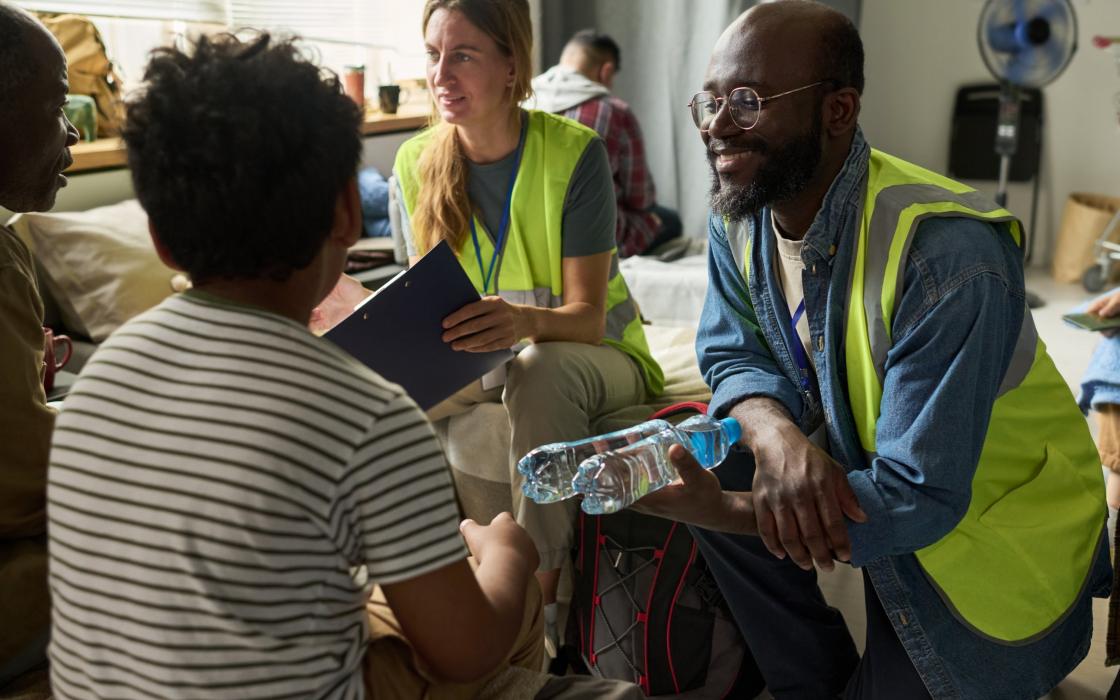
In Newham we found our winter shelter programme really effective locally. By bringing accommodation and support together, we remove some of the barriers that stop people engaging. Once someone has a safe place to stay, trust can start to develop. Conversations become possible. Problems that seemed overwhelming become more manageable.
Ending rough sleeping won't be achieved by asking people in crisis to navigate increasingly complex systems. It will happen when we make support visible, accessible and available at the moment people need it most.
The ambition is welcome. The challenge now is making sure that we adapt the way we work around people, rather than expecting people to adapt to us.
More from this issue
-

Lead feature
Just one night on the street is someone experiencing trauma
Every single one of Change Grow Live's adult services will come into contact with someone who is homeless or on the edge of homelessness. So how can we identify them sooner?
Read more about Just one night on the street is someone experiencing trauma → -

Treatment
“Even an hour can be a long time”
Change Grow Live's innovative rapid prescription service improves access to opioid substitution treatment for people experiencing both rough sleeping and dependent opioid use.
Read more about “Even an hour can be a long time” → -

Guest view
Finding everyone is only half the challenge
The Government's commitment to offer everyone sleeping rough a route off the streets by Christmas is hugely ambitious. For women, delivering it will depend on getting two things right: finding them in the first place, and making sure the support offered works for them.
Read more about Finding everyone is only half the challenge →